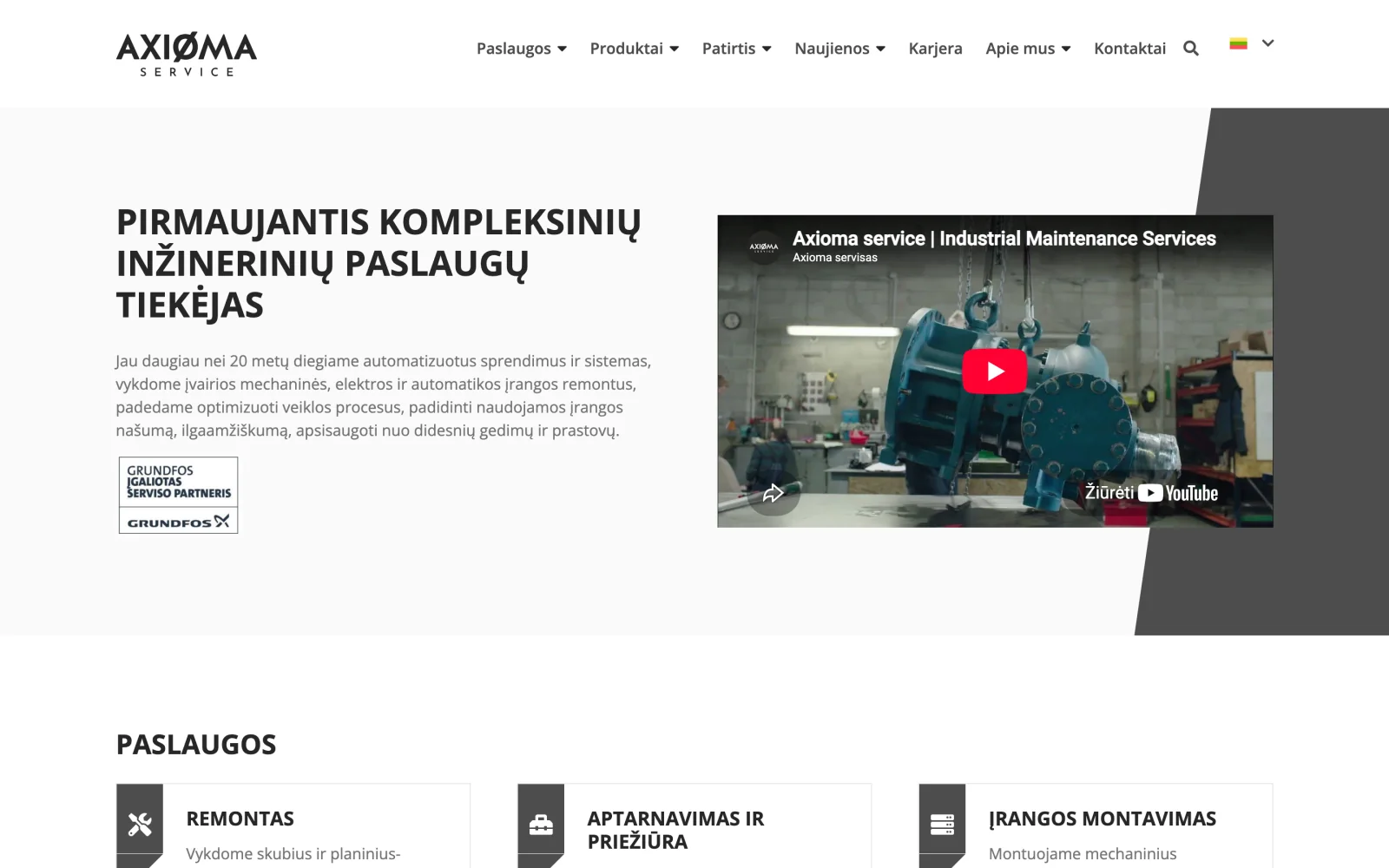
Axioma servisas: industrial engineering services website
A website for an integrated engineering services company, structured by service and by industry for industrial buyers.
A forest and land purchase website in three languages, with a step-by-step property form, a forest price guide and an enquiry inbox.
ProblemPeople sell a forest once or twice in a lifetime, often an inherited one. They do not know what the plot is worth, are afraid of selling too cheaply and often do not have the cadastral number to hand, without which a buyer cannot justify a price.
SolutionThe website first answers the questions of price and trust: a forest price guide with indicative prices per hectare and the sale process in four steps up to the notary. The property form is split into three short steps, and enquiries land in a list with statuses from new to bought.
Motren buys forest with land, felling rights, biofuel raw material and agricultural land across Lithuania. The company also carries out harvesting work itself, produces biofuel and sells firewood.
The sellers are private forest owners. Many have inherited their plot and know little about forestry; some speak Russian, and some live abroad.
People sell a forest once or twice in a lifetime. They compare several buyers, are afraid of selling too cheaply and do not trust buyers who cold call them. The website had to answer the questions people have before the first phone call: what a hectare is worth, how the transaction works and when the money arrives.
The company needs something else: an enquiry with a cadastral number. Without it the registers cannot be checked and a price cannot be justified, while a long form with ten required fields puts sellers off.
The home page opens with four purchase directions: forest with land, forest for felling, biofuel raw material and land. Each direction has its own page explaining what drives the price, with its own FAQ.
The forest price guide gives indicative prices per hectare by forest type and age, explains what affects the price and shows a worked example. Sellers look for this information themselves, so the guide also works as an entry point from search.
The sale process is described in four steps: from the cadastral number to payment at the notary on the day of the transaction. A separate guide explains how to find the cadastral number if it is not to hand.
The property form has three steps. The first asks what is being sold, the cadastral number, the municipality and the area. The second collects details that can be skipped, and the third asks only for a name, a phone number and shows a summary of what was entered. An unsent draft is kept in the browser, and without JavaScript all steps are shown on one page and the form still submits.
All content is available in Lithuanian, English and Russian.
Enquiries go into a separate list in the website admin with statuses: new, contacted, valuation in progress, offer sent, bought, declined. Each enquiry has internal notes and attached files, and the list can be exported to CSV.
Old enquiries are deleted automatically once the configured retention period ends. On request, a person's submissions can be exported or erased with the standard WordPress privacy tools.
Cadastral number in the first step. It is asked for straight away, with a link explaining how to find it. The enquiry is then ready for valuation immediately, and the seller does not need a second call.
Spam protection without CAPTCHA. A hidden field, a signed form timestamp and a per-IP rate limit. Sellers do not have to solve puzzles, and the enquiry list stays clean.
Structured data and AI search. Pages carry organisation, service, FAQ, article and breadcrumb data, and llms.txt lists the key pages in all three languages.
Analytics only with consent. Google Analytics loads only after the visitor agrees, and the fonts are hosted on the website itself.
A website for an integrated engineering services company, structured by service and by industry for industrial buyers.
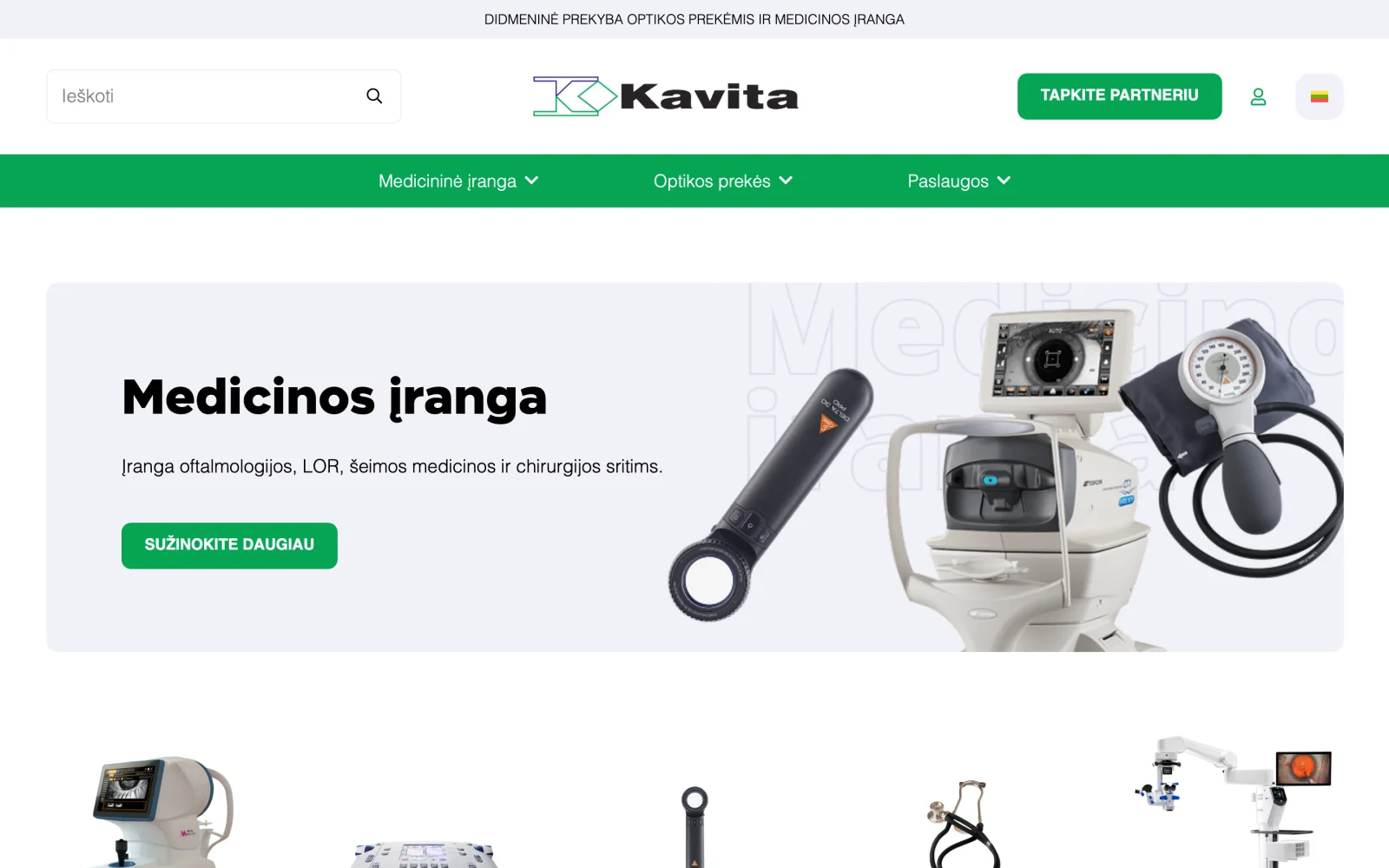
A large medical equipment and optics catalogue organised by specialty, with certificate and servicing information.
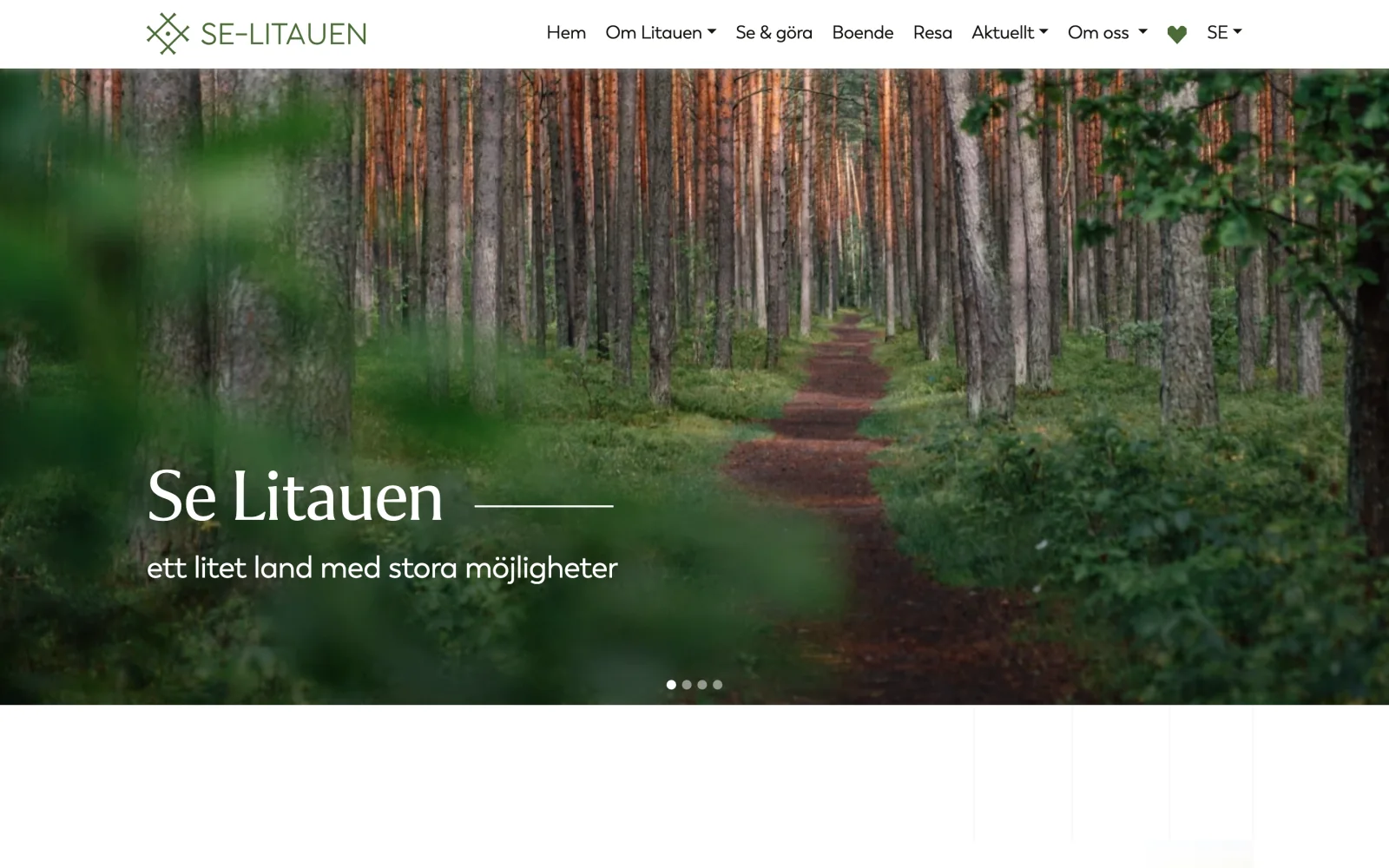
A Swedish-language portal about Lithuania: the country, culture, history, municipalities and trip planning.
Tell us about the process that causes the most friction today. We will come back with questions within one business day.
Or directly: info@desamedia.lt · +370 686 59999